


Sleep Hygiene, Redefined: Making It Work for Me

Improving sleep hygiene is often one of the first tools that doctors will suggest to reduce a patient’s fatigue level. And often, it does help!
But what happens when you have a neurological condition that ignores normal sleep-wake cycles?
When good sleep hygiene isn't enough for narcolepsy
When I was diagnosed with type 1 narcolepsy, I was in my junior year of college.
I quickly realized that most doctors were quick to brush off my symptoms of fatigue as hormonal issues, weight, stress, or poor sleep hygiene. That much was clear.
Tracking narcolepsy symptoms: Moving beyond standard advice
First of all, it is nearly impossible for me to explain the level of exhaustion that I experience with narcolepsy everyday! There simply aren’t adequate words for it.
Being able to communicate these symptoms to a doctor is important. But it isn’t easy.

So, I personally found it helpful to take notes of my symptoms, with dates and times and treatment methods used. This way, I was able to track a pattern between what I tried, and how much it improved my symptoms.
I presented this tangible data to my doctor as evidence of the efficacy of certain tools in treating my condition. I was able to keep moving forward with trying different treatments, and this method was how I kept track and graded how each different treatment was working.
It became clear early on that when it came to treating narcolepsy, sleep hygiene could only go so far.
Adapting sleep hygiene tools for scheduled narcolepsy naps
The truth is, getting quality sleep as a person with narcolepsy is complicated. My doctor, for example, has prescribed daily scheduled naps to reduce my symptoms of fatigue.
Multiple scheduled daytime naps may sound like poor sleep hygiene for the average person – however, for people suffering with narcolepsy, these are necessary for health and function!
Some of the ways I redefine sleep hygiene are by using the tools in unconventional ways:
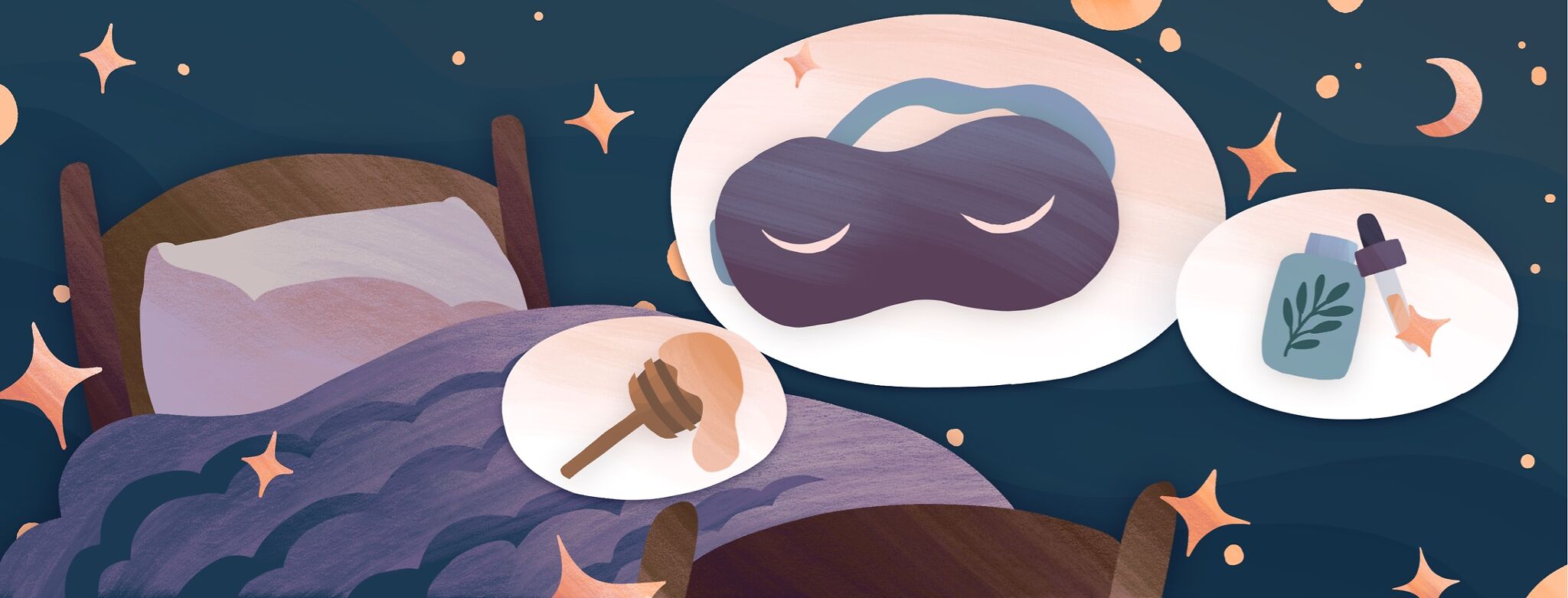
Essential oils
For example, relaxing essential oils such as lavender oil can be great for bringing myself into a state that can unwind enough to feel safe to fall asleep.
Snacks
Similarly, a light snack can be a soothing nap companion (but not anything too heavy!).
Darkness
Darkness is important for me to get restful sleep. I am not ashamed to say that sleeping with a stuffed animal is my go-to move when taking naps (whether they are planned naps or not!)
Consistent routine
Having a routine around napping signals to the body that it is safe to relax.
For example, I make sure to have water on my bedside table and I change into a quick “napping” pajama outfit. All of these to prepare for a daytime scheduled nap!
With diseases like narcolepsy, every little bit of symptom management helps
In a way, I have to manage my expectations when I try new sleep hygiene tools. In my experience, they likely won’t make a significant difference in my daily symptoms.
However, with a neurological disease like narcolepsy, every little bit of symptom management helps.
Every part of my treatment plan is another brick I can use for building a life with narcolepsy. Nothing will “fix” my condition. But the tools are still helpful, even if I have to use them somewhat unconventionally.
Sleep hygiene tools work best when I ACTUALLY use them
Looking at my own personal toolkit for managing narcolepsy, I have many layers to my treatment plan.
These layers of technique are important to develop and maintain over time. Without regular maintenance, a treatment plan cannot be effective.
It takes time and consistency to implement the “lifestyle changes” part of a sleep disorder treatment plan.
However, for those of us who are waiting for new medical treatments to emerge, remedies such as sleep hygiene are especially valued.
Join the conversation