


The Cost of Looking "Fine" With Narcolepsy

The skills that help you survive narcolepsy can, unfortunately, also make others underestimate it.
Let me offer you an example.
The paradox of the "good night" out with narcolepsy
A couple of months ago, a friend was driving me home from a restaurant where we had just had dinner with a larger group of friends.
Throughout the night, I smiled, laughed and because I’m somewhat of an extrovert, I most likely was one of the louder voices at that table.
As we reached my house, it was the first time that night that my friend seemed to really look at me. She asked if I was alright with just a hint of concern in her tone.
I’m not quite sure what she expected me to reply.
I answered the way I did most of the time I was asked that very question - by smiling and reassuring her that I was fine.
What she didn’t see, nor did anyone else that night, were the consequences I suffered for this one night out.
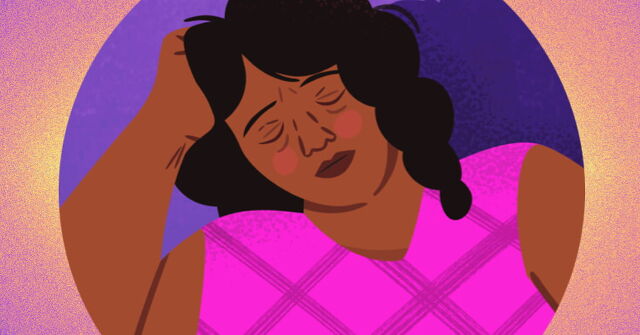
I barely managed to make it to my bed before I collapsed and passed out. It felt very similar to fainting. Your world suddenly begins to darken, and your mind feels as though it’s shutting down. The next thing you remember is waking up feeling as though someone had given you a serious beating.

And even though I do not drink alcohol, I almost felt hungover, and the previous night was coming to me in disoriented fragments.
Masking with narcolepsy is a full-time job
You see, my appearance never shows you the true reality of my life.
From the outside, I probably seem in control, energetic and downright, shall we say…” normal”.
I’ve been diagnosed for 8 years now, and as time goes on, I have begun to notice that I have become highly skilled at keeping up appearances.
Unfortunately, the better you become at hiding narcolepsy, the less people understand what it really costs you.
The paradox is that coping well can actually make your struggle more invisible and your need for support easier to dismiss.
I do not doubt that a lot of us within the narcolepsy community (and many other invisible illness communities) have become seasoned experts at “seeming fine”.
"Seeming fine" isn’t a decision we make; I see it as a full-time job. It means masking symptoms in real time, overpreparing for every outing so you have enough spoons left to appear present.
It means managing your tone and your body language even when your body wants to give out. It means quietly editing yourself — trimming out the parts of your story that you sense people would find inconvenient, or simply too much to understand.
Where does my personality end and the exhaustion begin?
It’s hard to explain what the costs of living a life like this are, day in and day out. Year in and year out.
Emotionally and internally, the cost is immeasurable. First and foremost, there is no way of telling exactly how much of your personality is “you” and how much is a result of the neurological strain caused by narcolepsy.
Trying to explain this to people somehow always feels like I’m trying to justify myself. I’ve stopped trying.
Narcolepsy's social tax of silence
Perhaps, it is for this reason that this usually leads to another particular cost - the cost it has on your relationships with others.
People assume silence means stability. They assume that if you look “fine” then you must be fine. People have their own struggles to deal with and are probably struggling themselves to stay afloat.
Saying this, I personally do believe that there is a unique burden of living with a silent enemy inside your body, attempting to sabotage you every day of your life.
This is what creates the biggest distance in our relationships with others - when you finally begin to realise that the more you seem fine, the less sympathy and understanding you get.
We have no choice but to live a lie, because what is the alternative?
If you tell the truth every time someone asks you how you feel, people begin to tire of you and see you as a negative person who is always complaining. They could start to think that you are using your condition as an excuse to justify things.
Why visible competence isn’t a cure
When all is said and done, the key takeaway is to always remember that someone can be capable and struggling. Someone can be functioning and paying heavily for it.
Visible competence does not cancel invisible disability.
Join the conversation